Gorse and Broom: Smarter Control in Farmland and Conservation Areas
Few plants have left as lasting a mark on New Zealand’s landscapes as gorse and broom. Originally introduced for hedging and erosion control, these hardy shrubs quickly became invasive, spreading across farmland, riverbanks, and conservation areas. Their dense thickets crowd out native plants, fuel wildfires, and create costly challenges for landowners and conservationists alike.
North Island Challenges
In the North Island, gorse and broom thrive in warmer climates and fertile soils.
Farmland impacts: Pastures in Waikato and Taranaki often struggle with infestations, reducing productivity and requiring expensive removal.
Conservation concerns: Along bush margins and river systems, these weeds compete with native regeneration, slowing ecological recovery.
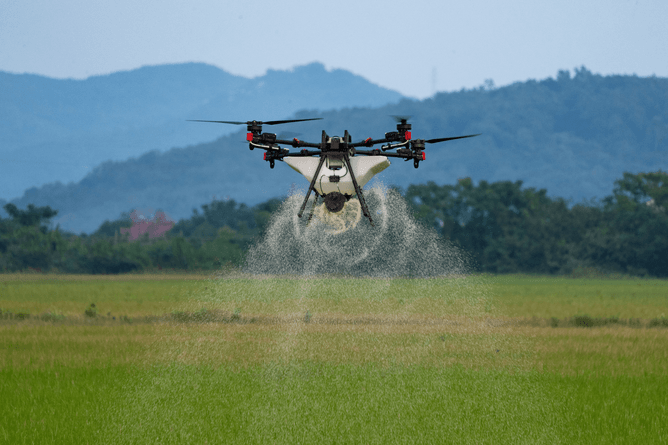
Drone advantage: Precision spraying allows drones to target infestations without blanket chemical use, protecting waterways and nearby crops.
Here, drones are helping farmers and councils alike, offering a smarter, more sustainable way to manage invasive shrubs.
South Island Challenges
In the South Island, gorse and broom dominate hillsides and river valleys, particularly in Canterbury and Otago.
Fire risk: Dense thickets act as fuel, increasing wildfire hazards in dry summers.
Biodiversity loss: Native tussock and shrublands are displaced, altering the character of high-country ecosystems.
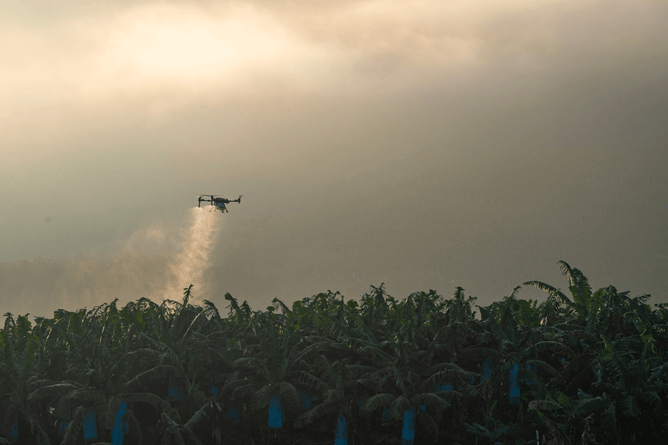
Drone advantage: In rugged terrain, drones can access steep slopes and gullies, mapping infestations and delivering herbicide micro-doses directly to plants.
This precision reduces environmental impact while tackling infestations in areas where traditional machinery cannot operate.
Smarter Solutions
Across both islands, drones provide unique benefits:
Efficiency: Faster coverage compared to manual crews.
Accuracy: Herbicide applied only where needed, reducing chemical use.
Monitoring: High-resolution imagery tracks regrowth and informs long-term management strategies.
Specialists such as TAG Droneworks bring the expertise needed to operate safely and effectively in both farmland and conservation contexts, ensuring that drone technology delivers practical results for communities and ecosystems.
Looking Ahead
Future innovations may see drones working in coordinated swarms, covering large infestations quickly. Machine learning could predict spread patterns, allowing proactive intervention before shrubs dominate landscapes.
Gorse and broom may be stubborn adversaries, but drones are proving to be smarter allies. By tailoring strategies to the unique conditions of the North and South Islands - and with skilled specialists like TAG Droneworks contributing their expertise - New Zealand is building a future where farmland productivity and native biodiversity can thrive side by side.