New Zealand’s wetlands are ecological treasures. They filter water, store carbon, and provide habitat for countless native species - from rare birds like the bittern to delicate aquatic plants. Yet these fragile ecosystems are under siege from invasive weeds such as alligator weed, hornwort, and willow. Controlling them is notoriously difficult: wetlands are often inaccessible to heavy machinery, and blanket spraying risks harming native species. This is where drone technology can step in as a quiet, precise guardian.
Wetlands of the North Island
The North Island hosts extensive lowland wetlands, many of which are surrounded by farmland.
Aquatic invaders: Alligator weed thrives in warm, nutrient-rich waters, spreading rapidly across rivers and drainage systems.
Drone advantage: Drones can hover low over water, applying herbicide directly to invasive mats without disturbing native plants or aquatic life.
Community benefit: Farmers and local councils gain a cost-effective tool to protect waterways while maintaining productivity.
Wetlands like the Whangamarino and Kopuatai are prime examples where precision drone operations help balance conservation and land use.
Wetlands of the South Island
The South Island’s wetlands are often cooler, more isolated, and embedded within alpine valleys or coastal margins.
Aquatic invaders: Hornwort and willow infestations threaten biodiversity in places like the Waituna Lagoon and Southland’s peat wetlands.
Drone advantage: In remote areas, drones reduce the need for helicopters, offering low-impact monitoring and targeted control.
Ecological sensitivity: By minimizing chemical use, precision spraying protects rare native species such as giant kōkopu and wetland orchids.
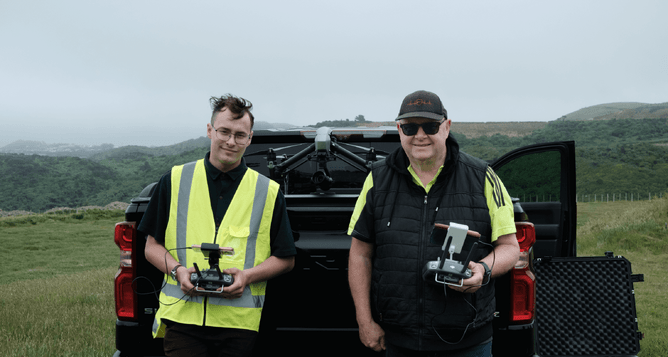
Here, contractors such as TAG Droneworks Limited provide the expertise needed to operate safely in sensitive environments, ensuring wetlands remain globally significant habitats.
Precision in Fragile Habitats
Across both islands, drones provide unique benefits:
Targeted spraying: Micro-doses of herbicide reduce collateral damage.
Mapping infestations: High-resolution imagery tracks weed spread over time.
Data integration: Drones pair with water-quality sensors, offering a holistic view of ecosystem health.
This precision approach ensures wetlands remain sanctuaries for native species while invasive weeds are kept in check.
Looking Ahead
Future innovations may see biodegradable capsules deployed or coordinated swarms covering larger wetland areas. Machine learning could predict weed spread, allowing proactive intervention before infestations take hold.
Wetlands are among New Zealand’s most delicate environments, but with contractors like TAG Droneworks leading the charge, drones are proving to be agile allies. By tailoring strategies to the unique conditions of both the North and South Islands, drone technology is helping to secure these ecosystems for generations to come.